Running AI-Generated Code Safely
Model Context Protocol Security Architecture
Implicit trust chains in MCP leave every layer vulnerable to exploitation when servers go rogue.
Marcus Oyelaran
· 11 min read
Implicit trust chains in MCP leave every layer vulnerable to exploitation when servers go rogue.
Securing MCP servers requires controls across three distinct layers, not authentication alone.
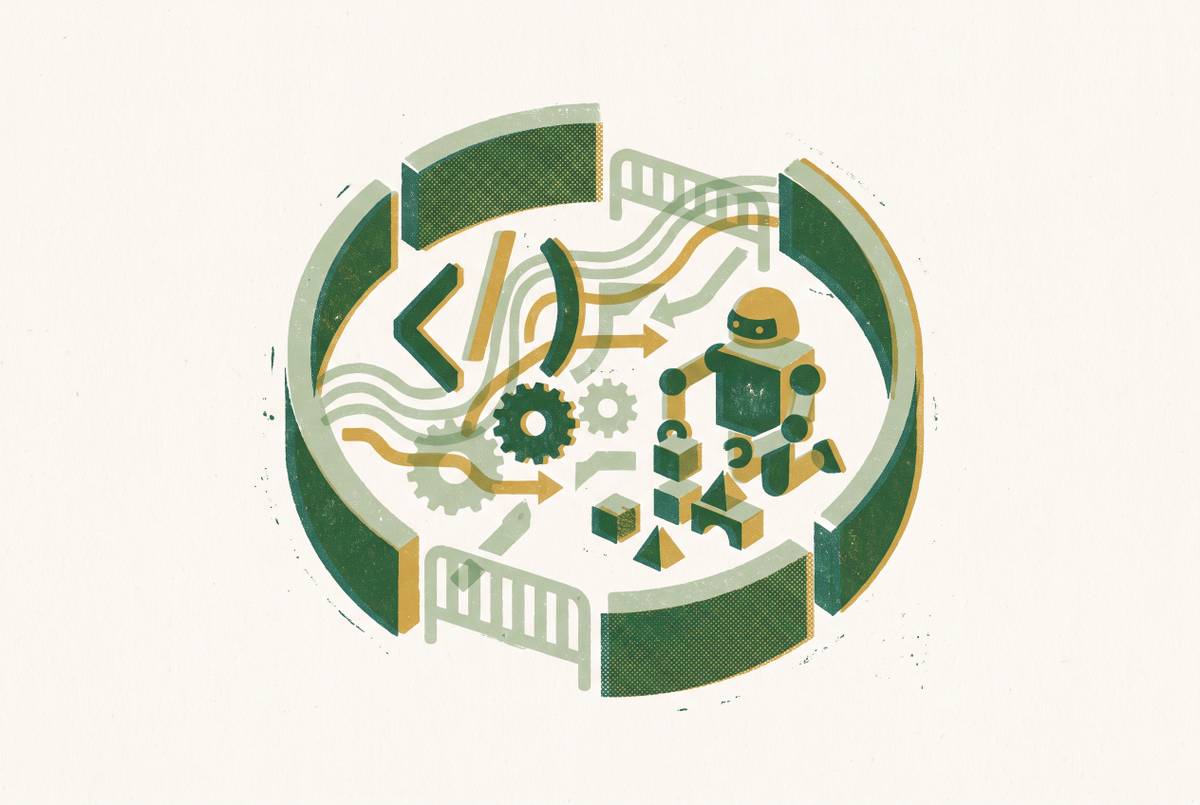
Sandboxing code agents requires five interdependent security properties working together.
AI agents need isolation criteria tailored to untrusted, autonomous code execution.
AI-generated code breaks the static threat model that traditional sandboxes were built on.
Namespaces control visibility, not security, and confusing the two enables container escapes.
Regulatory sandboxes let compliance-heavy industries test AI without liability exposure.
Models now sustain fourteen-hour tasks, but single-shot sandboxes weren't built for that.
Rapid AI agent deployment outpaces security architecture design decisions.
OS-level sandboxes miss the real attack surface: language space inside the model.